Madeleine and I had many excellent adventures on the Author & Her Dog Book Tour. Here are just a few highlights.
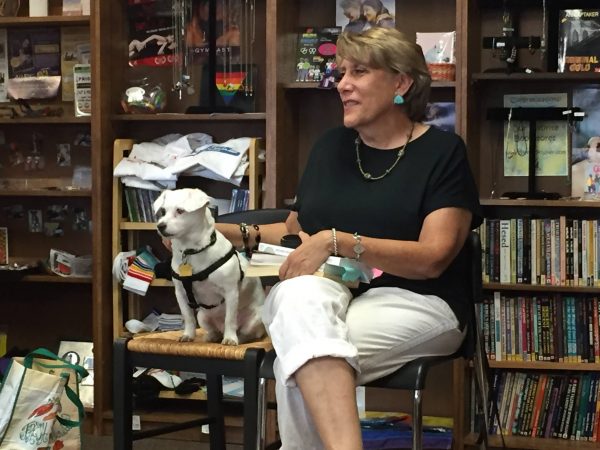
Madeleine and I had many excellent adventures on the Author & Her Dog Book Tour. Here are just a few highlights.
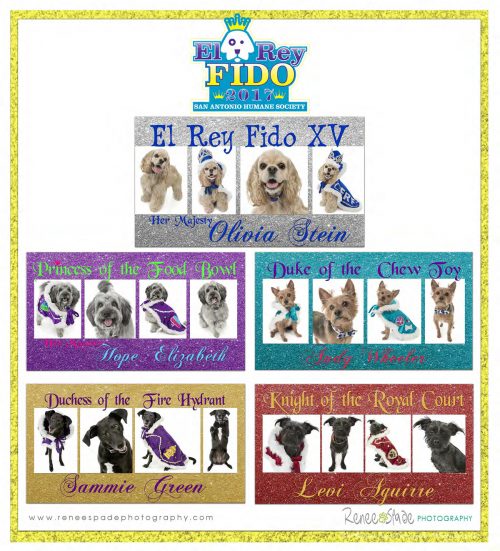
Partnering with the San Antonio Humane Society, appearing on Great Day SA, & reading at the Twig Book Shop are highlights of this Alamo City visit.
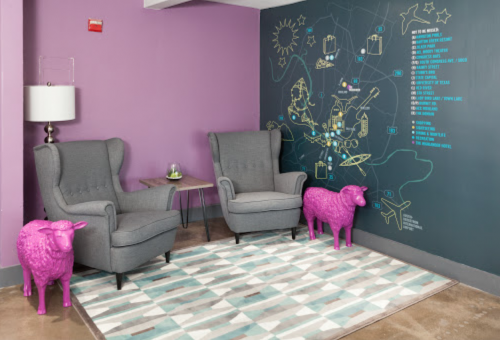
A feminist bookshop, a pet-friendly hotel, and pink sheep. Can’t wait to read at BookWoman on June 20 & stay at the Highlander in Austin.
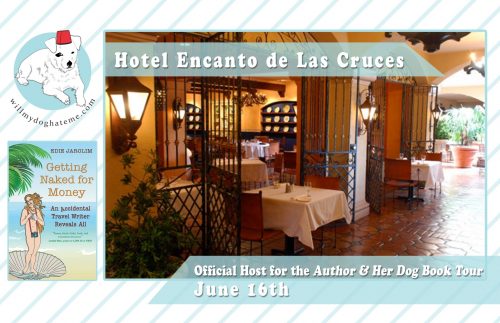
Green chiles and the chic pet-friendly Hotel Encanto are among the many things I’m looking forward to on the Las Cruces stop of my GETTING NAKED FOR MONEY book tour.
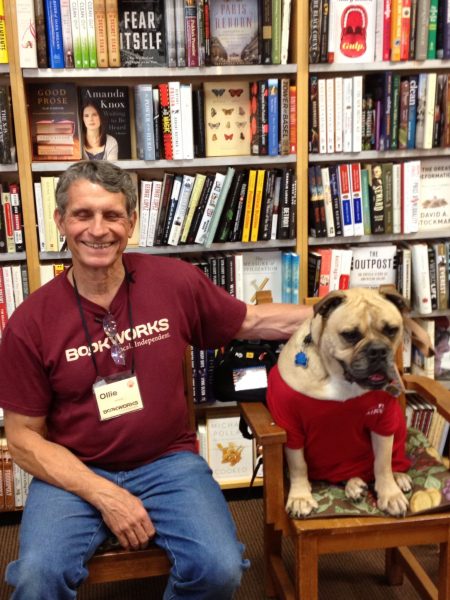
Heading to Albuquerque to do an event at BookWorks for GETTING NAKED FOR MONEY means seeing several old friends, real and virtual, two and four legged. Can’t wait.
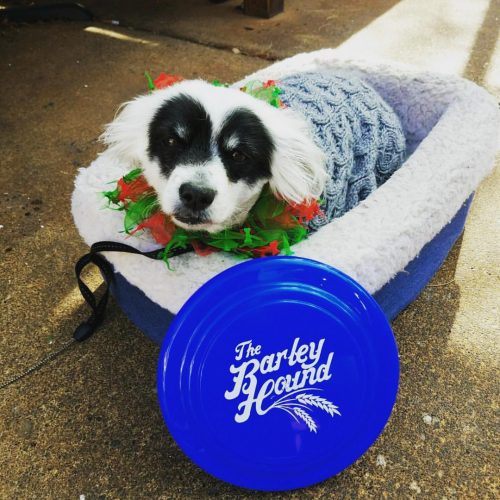
And so it begins. The first stop on our book tour is Prescott, the one-time territorial capital of Arizona. It’s got a bustling central square with lots of bars and restaurants; a row of antiques shops, many selling cowboy kitsch, which I love; loads of Victorian houses, of which I’m less enamored but which…
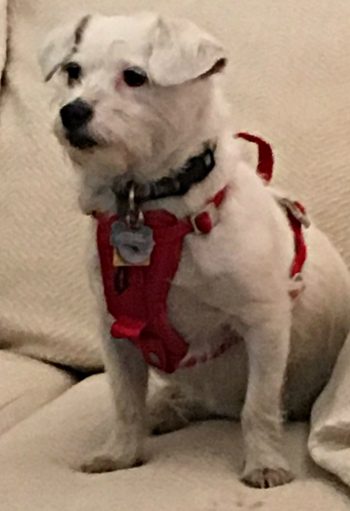
Madeleine is a good car passenger, which doesn’t keep me from worrying about driving with her as I embark on the Author & Her Dog Book Tour
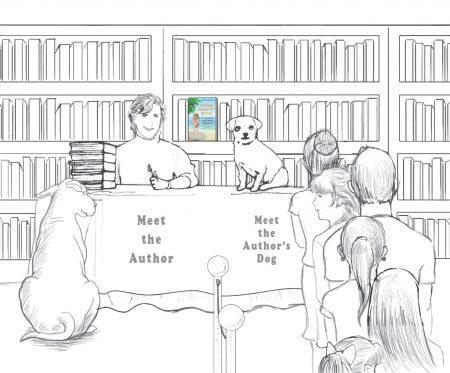
I know, it’s been a long time since I’ve been here, but I’ve been busy trying to drum up interest in Getting Naked For Money: An Accidental Travel Writer Reveals All. What does that have to do with a dog blog, you might ask? Quite a bit, as it happens. For one thing, as I explain…
Time flies. It’s been more than seven years since I started this blog to publicize AM I BORING MY DOG? And 99 Other Things Every Dog Wishes You Knew. It was a reference for first-time dog owners that starred my first dog, a shy scruffy terrier-mix named Frankie. If this post has come to you via…
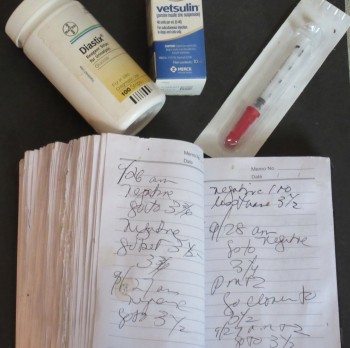
I wondered why I was feeling gloomy as the 4th of July approached. Then I remembered: It was Frankie’s designated birthday. And a new dog, no matter how great, can’t erase the pain of loss.